[RE]
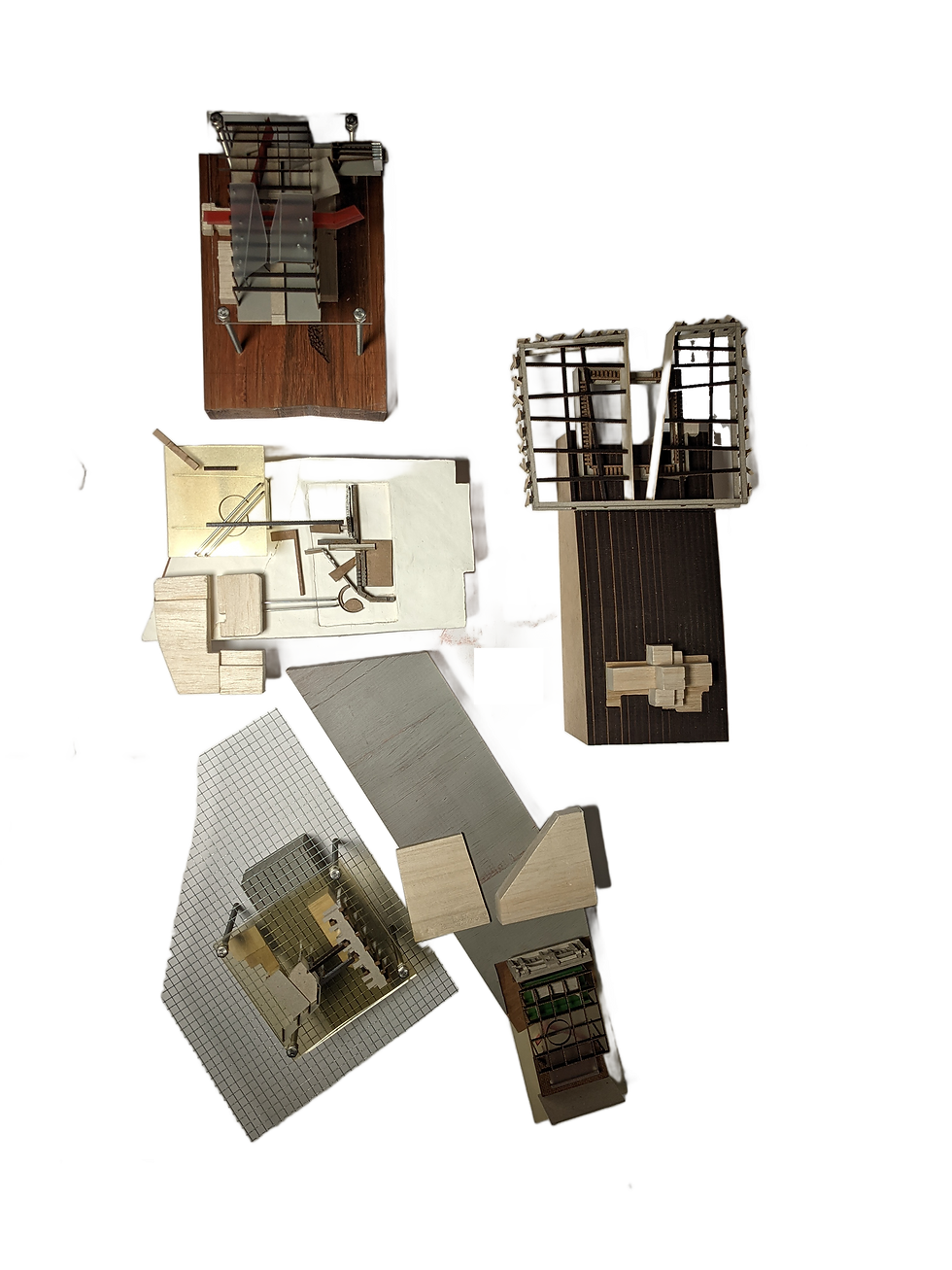
FRAGMENTED

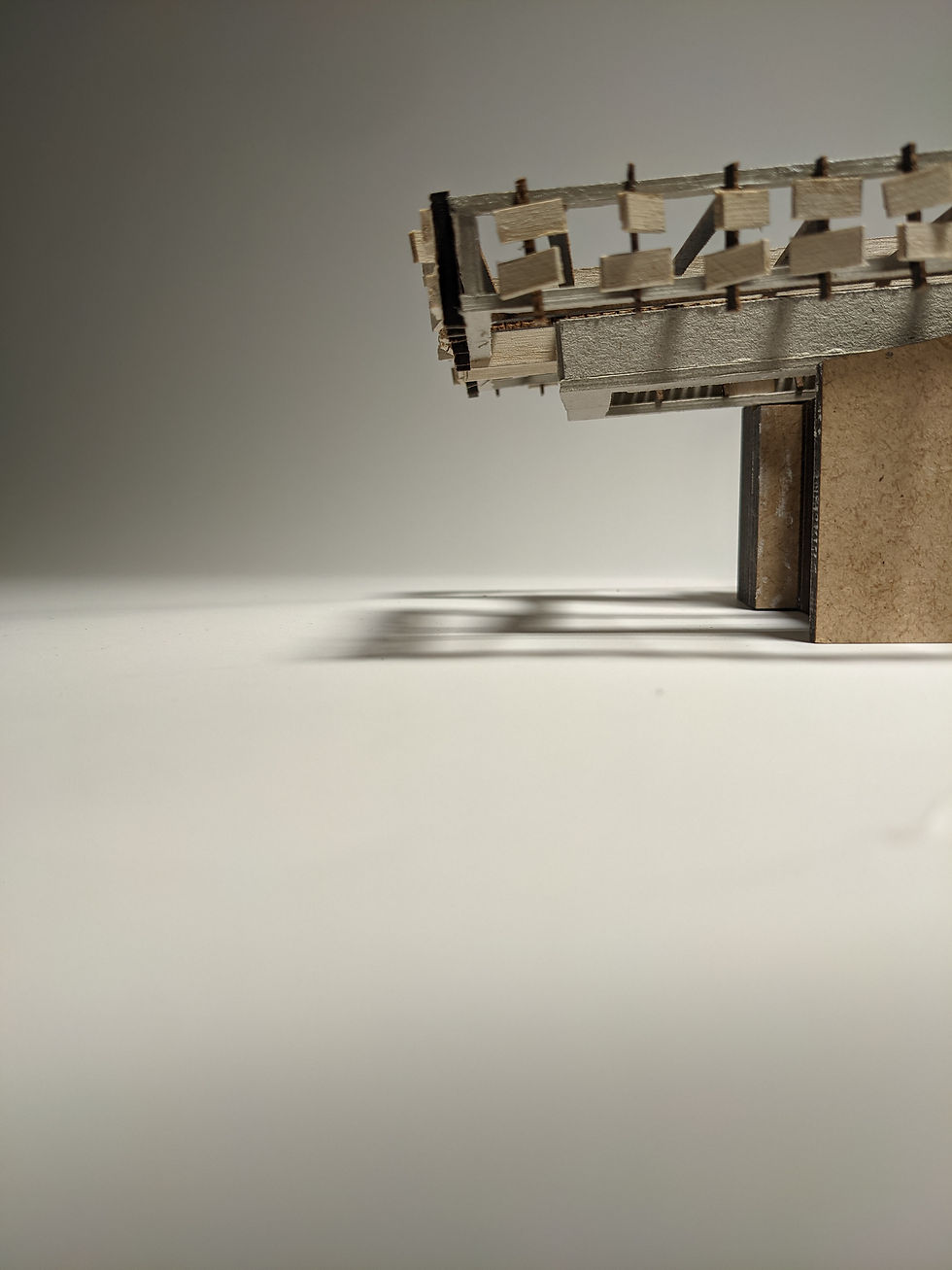
[Theatre] Markets
Three Victorias
Forum of [System]atic Transitions
[Grotto] Galleria of Exhaustion
This thesis is a reflection on the implications of architecture on the subjects of nostalgia and identity. The root of this lies in the correlation of field to memories and experientiality of spaces. A study of the derelict buildings and forsaken pockets in the urban fabric that lay in a state of abandonment and often become subjected to the capitalist-economic forces, annihilating them from the maps forever. These buildings and spaces, however non-monumental, interplay into creation of the identity of cities and are containers of memories from the past, breed alternate present atmospheres that are often seen as repulsive and considered hindrances to the development of cities. The argument here is that these spaces have imbued in them, meaning and lost stories, identities and unique experiences that can be re-breathed as modest identities of the city. The death of architecture can be beautifully structured alongside gentrification of landscapes. They can become ghosts of the city, existing as the voids, and potentially sprawling out of their place to infiltrate the ‘clean’ and the ‘new’.
THE ALLEGORY
ON THE implication of Architecture on the subject of nostalgia and identity of a city. A radical and surreal intervention into Derelict architecture for its adaptive
reiteration into the urban realm.

THE SITE
Taking the case of the City of
Newcastle city centre that lay
in the state of abandonment,
subjected to decay and
vandalism, driven by socio-
economic forces. These
forsaken urban pockets and
civic spaces become container
of memories and alternate
atomspheres, threatened to be
wiped out by gentrification as
an attempted revival of the city.


Newcastle City Centre has remained dead and dysfunctional since the closure of BHP Industrial giant and its transformation from ‘Steel City’ to a commodified town of a ‘Problem City’. Once a thriving marketplace, central to a massive provider of economics and employment through port and railway activities, the CBD has become catalyst to a crisis and decay that followed post-industrialization. The act of abandonment of the main Hunter Street, as the city saw a decentralized creation of suburbia conditions, emergence of new shopping centers and ease of car accessibility shifted the inhabitants to these now gentrified suburbs. Now the street survives in the atmosphere of disturbances, vandalism, and street crime due to its abandonment. Its breathed new peculiar conditions of ‘subnature’ (David Gissen) within the derelict architecture of the space. In an attempt to revive the dying City Center, the place is witnessing a rapidly gentrified landscape, wiping out the atmospheres of the naturally evolved unique conditions of this City Center, alongside the history contained within these spaces.
Image as industrial Steel CityCrises and DecayHunter Street: Capital hub to vandalized, disturbed and crime hub due to abandonment.
The GHOST ARCHITECTURE OF NEWCASTLE


WHAT IS A GHOST?
A ghost is a contained void—an architectural remnant produced through cycles of colonisation, erasure, and shifting urban identities—where space persists not as an object to be preserved, but as an absence charged with memory, desire, and unresolved histories. Neither past nor present, the ghost operates as a living threshold: a site where fragmented nostalgia, Indigenous and colonial tensions, and ecological and cultural residues converge, allowing new forms of inhabitation, performance, and knowledge to reanimate what has been rendered derelict or forgotten.
studied through events (cultures), mapping (landscape), economic (colonial occupations)

THE GHOSTS
The Ghost of Hunter Street Mall saw its transformations from markets to theatre to shopping centres, eventual construction failures and Newcastle's First broadcast happening there. The ghost opens itself up as fragements on the streets, containing broadcasting station for Indigenous storytelling, opening up abandoned alleyways and creating spaces for more-than-human. It starts expanding its current footprint to bridge itself into the voids and decentralising the civic engagements, feeding into the gentrified residences.


Theatre Markets
Petrified Passages of Dismantled Markets

SOCIO NATURAL INHABITATION
REGENERATIVE LANDSCAPE
NEOCULTURATION
Ghost of a theatre typology, and the long standing Victoria Theatre, splits itself into three historic locations and attempts to eradicate the class division, yet amplifying the performative movements to the dress circle, pit and the stalls. The Theatre itself becomes a performative act, needing crowding to open up ventilation (an allegory to the fires that destroyed one of the Victorias). It houses the current conditions of debris and pigeon shelters- making the image of grandiose redundant.

Three Victorias
Theatrics of Tensioned Occupations
This ghost grapples with the case of past inequalities and an attempt to cover the grotto with embellishments. Once a site for the freshwater, converted into the first women's bath which was grotesquely conditioned due to coal, and eventually covered up by the modern city arcade. The ghost now serves as a rainwater harvesting system that channels back to the 'new residents' of this area. Distorting the notion of beauty (the bridge indicative of 'la vein rose') it will becomes a palimpsest of leisure and physical performance - each element showing a desperation to exist; leveraged to be used by people but work towards freshwater preservation. It chambers exhaustion, becoming nostalgic to the grotto of the bath and the protected beauty of the arcade.

Grotto Galleria
Exhaustion and Beautification (Purified Distortion)
Attached to the Hunter Street Mall is the ghost of the car park, that becomes a yarning ground alongside a vegetable garden for the surrounding residents, challenging the authorship of the place as well as the colonial grid and rigid systematisation. The section attempts to show the ideology of creating a harmonious space for future gentrification - allowing for residences to occur while retaining the civic space open to public. This ghost is reimagined from the systematised car park to a systematised care for land.

Forum of Systematic Transitions
Deconstructed Park of Systematic Movements